
What a Montclair Resident Lookup Can Confirm
No single public people roll exists for this work. A Montclair resident lookup is really a set of narrow tests, each run against a custodian's own record. Begin with the most specific fact you have, whether that is an APN, a case number, an event date, a business entity, a license number, or the voter credential the person supplies personally. Then ask the custodian what the result means. Ask what it leaves out too. The record types that follow are useful precisely because their boundaries are visible.
| Record | What It Confirms | Where to Search | Access |
|---|---|---|---|
| Assessor parcel | Connection to assessed land, situs, and parcel facts | San Bernardino County PIMS | Address/APN; not occupancy proof |
| Recorder index | Named party to a deed, lien, or other instrument | ARC Official Records | 1958-present online; older counter path |
| Superior Court | Case number, party role, type, and docket events | Court Access Portal | Remote limits and copy fees apply |
| Vital record | Event and family linkage | ARC or California CDPH | Authorized and informational rules differ |
| Voter status | The registrant's own status and districts | California My Voter Status | Credentialed self-check only |
| License or business filing | Public professional or entity affiliation | DCA or Secretary of State | Affiliation address is not residence proof |
Match the source to the question. Property and Recorder records answer an address or ownership question. Court records answer a case or probate question. Vital records answer a family-event question. DCA, bizfile, and county FBN filings answer a public affiliation question. My Voter Status settles only the person's own registration question. Let the known fact set the order. Hoping one result reveals a whole household is how errors start.
Separate Montclair Resident Names in Court
Montclair sits in the Superior Court of California, County of San Bernardino. Its Court Access Portal begins with Smart Search. It then lets you layer filters for party name, case number, case type, filed-date range, location, hearing, or calendar. The official tutorial walks through the basic and advanced modes. One caution applies: the dynamic portal publishes no fixed list of every live dropdown value.
A result inventory can show a caption, the parties and their roles, and counsel where public. It also lists case number, category, filing location, dates, register-of-actions events, and permitted document links. Cases filed before 1998 may be limited. Sealed or confidential material stays absent. A docket hit proves an indexed court connection. It means nothing more, not an address, current residence, liability, or guilt.
The San Bernardino Superior Court case-information page is the court's official starting point. Its Court Access Portal provides the dynamic search route.
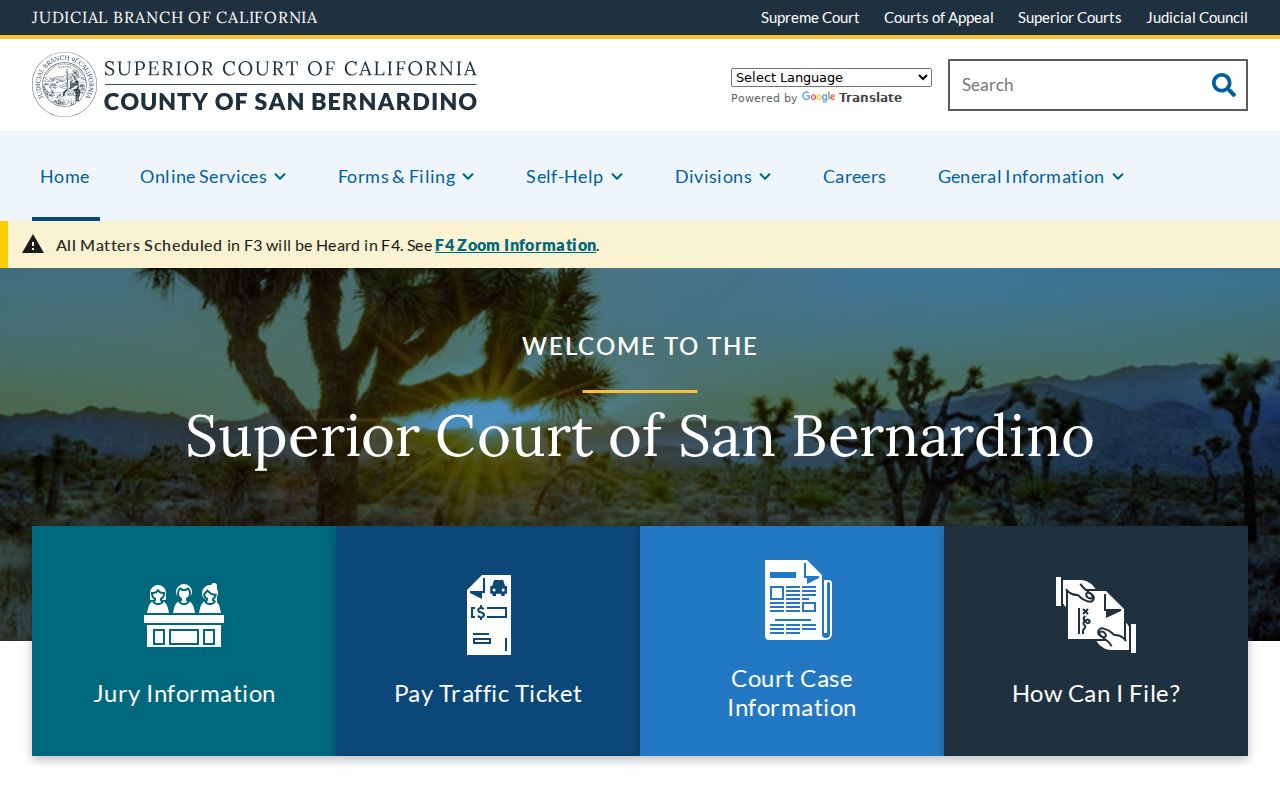
A portal screen is a clue, never the file itself. Record the case number and document title before requesting a clerk copy or a courthouse review.
Montclair Court Lookup Is Not the File
Remote access is deliberately narrower than courthouse access. California Rule of Court 2.503 restricts online viewing for criminal, family, juvenile, probate-protected, mental-health, and listed protective proceedings. A public record may still be viewable at the courthouse even when it is not broadcast online. It stays open there unless sealed or confidential. The San Bernardino court guide notes that older files can sit off-site. They require delivery from a record center.
Civil document images cost extra remotely. A mail request needs the case number, case name, document title, filing date, payment, and return instructions. The Court's administrative public-records form cannot substitute for a case-file request. Use the court's copy process for case documents. Treat a public index never as permission to copy or publish sensitive material.
| Smart Search | Basic party-name or case-number lookup after accepting portal terms. |
|---|---|
| Advanced Search | Optional filters for party, case type, filed dates, location, and other live categories. |
| Hearings and calendars | Separate modes for scheduled events rather than a full case history. |
| Clerk or courthouse | Fallback for public material excluded from remote display or held off-site. |
Verify One Montclair Identity Across Records
Same-name confusion is the central risk here. Keep the exact name form, middle initial, prior name, approximate age, case jurisdiction, known parcel, and date range separate throughout. A court hit needs its case number, filing place, party role, and case type. A Recorder result needs its APN or legal description. Remember that a business or license address may only be an office or service address. Two compatible official sources always beat one broad result.
- Write down the narrowest known fact and search the matching custodian first, keeping spelling and date variants.
- Use PIMS for a known address or APN, then use the Recorder index to test the named party and legal description.
- Run the Superior Court portal by party or case number and separate docket events from substantive documents.
- Use marriage, death, or birth evidence only through the correct county or CDPH copy route and eligibility path.
- Compare dates, geography, role, and family or business context; correct an error with the office that created the record.
- Docket
- A court's chronological register of filings, hearings, and case events.
- Index versus image
- An index gives locator fields; an image or ordered copy contains the underlying instrument or filing.
- Certified copy
- A formal custodian copy with certification, often subject to eligibility, identity, payment, or notarization rules.
Sources sometimes disagree. Preserve the disagreement and return to the custodian that created the field. A broader search can surface more names, but it cannot repair a missing date, a protected address, or a case belonging to another person.
Use Montclair Vital Records for Names
A birth, death, public marriage, or divorce record can supply the date, county, spouse, parent, or party detail. That detail separates two Montclair names. The custodian matters. San Bernardino County ARC handles county events. CDPH handles statewide applications. A confidential marriage goes to the issuing County Clerk. A divorce decree comes from the Superior Court. CDPH's VS 111 birth form asks for copy type, registrant name, date and place, parent information, requester details, relationship, purpose, and signature. Payment completes the list.
California splits certified copies into authorized and informational versions. An authorized mail request requires the sworn statement and notarization the statute describes. An informational copy is easier to obtain. It still carries a marking that it cannot establish identity. Fees and processing times shift. County and state schedules differ, so order from the receiving custodian directly.
California Vital Records guidance is the state starting point for forms and eligibility.
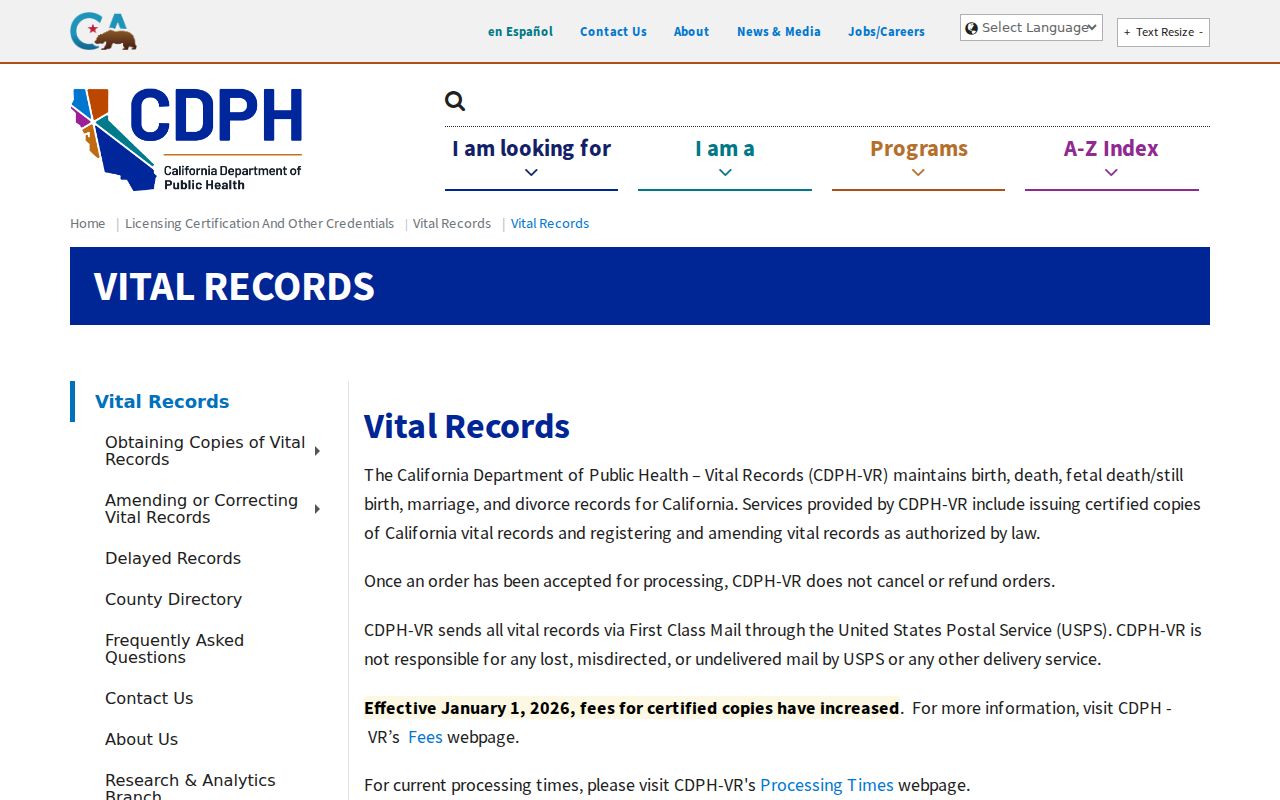
Locating an event and ordering a certificate are two different acts. A certificate confirms the event under the copy rules, not a person's current address.
Montclair License and Business Records
California's Department of Consumer Affairs umbrella search filters by board, license type, license number, business name, first and last name, city, county, status, and public-document type. Contractors sit outside it. Use the separate CSLB route for them. The Secretary of State runs bizfile, which searches an entity name or file number. It returns status along with filing material. San Bernardino County fictitious-business-name records add another thread for a Montclair residents directory effort. They can tie a trade name to its registrant.
License records confirm public affiliation. That is their strength. They may expose a business, service, or mailing address, never a private residence. DCA excludes some boards, including CSLB. So an empty DCA result is not a statewide no-license finding. Before joining records to one person, match the license number, entity number, dates, city, and filing role.
The California DCA License Search is the state route for a name or license check. The image below comes from the separate California Megan's Law search. That site displays its own statutory registry warnings that every user should read.
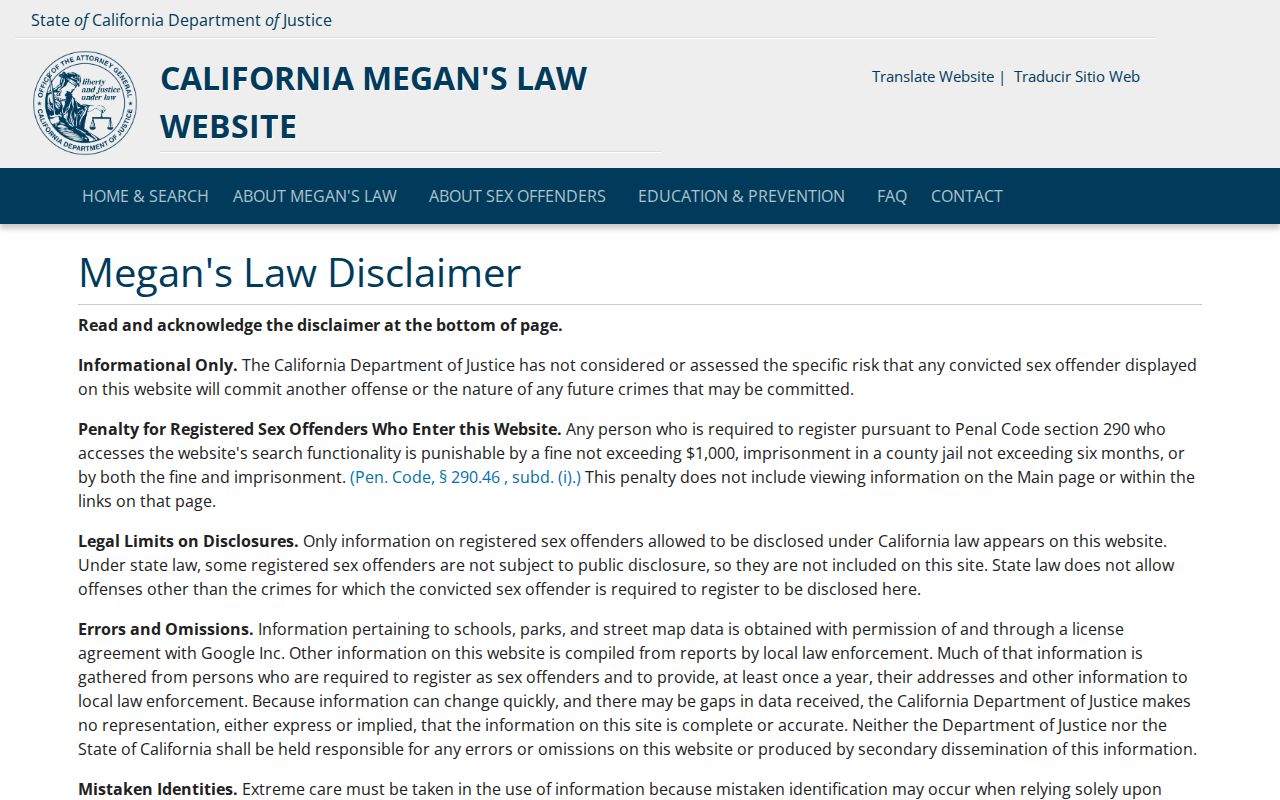
This state search image belongs to the identity-and-status layer. Public affiliation and registry data still carry their own use warnings.
Montclair Registry Records Have Narrow Meaning
The San Bernardino County Sheriff Inmate Locator and the California Department of Corrections and Rehabilitation locator separate matching names by booking, CDCR number, date of birth, institution, and custody details. A custody record answers one narrow question. It is not a residence record. It is not a full criminal-history search either. Use the official identifier and heed the update notices.
California Megan's Law offers name and map or proximity modes for the statutory registry categories the state publishes. Its use warnings matter. Match more than a name. Follow the displayed restrictions. Do not infer facts beyond the official entry. Police and incident reports run through separate request routes with their own exemptions, redactions, and authorization rules.
The County Sheriff inmate locator is the official custody source for this record layer.
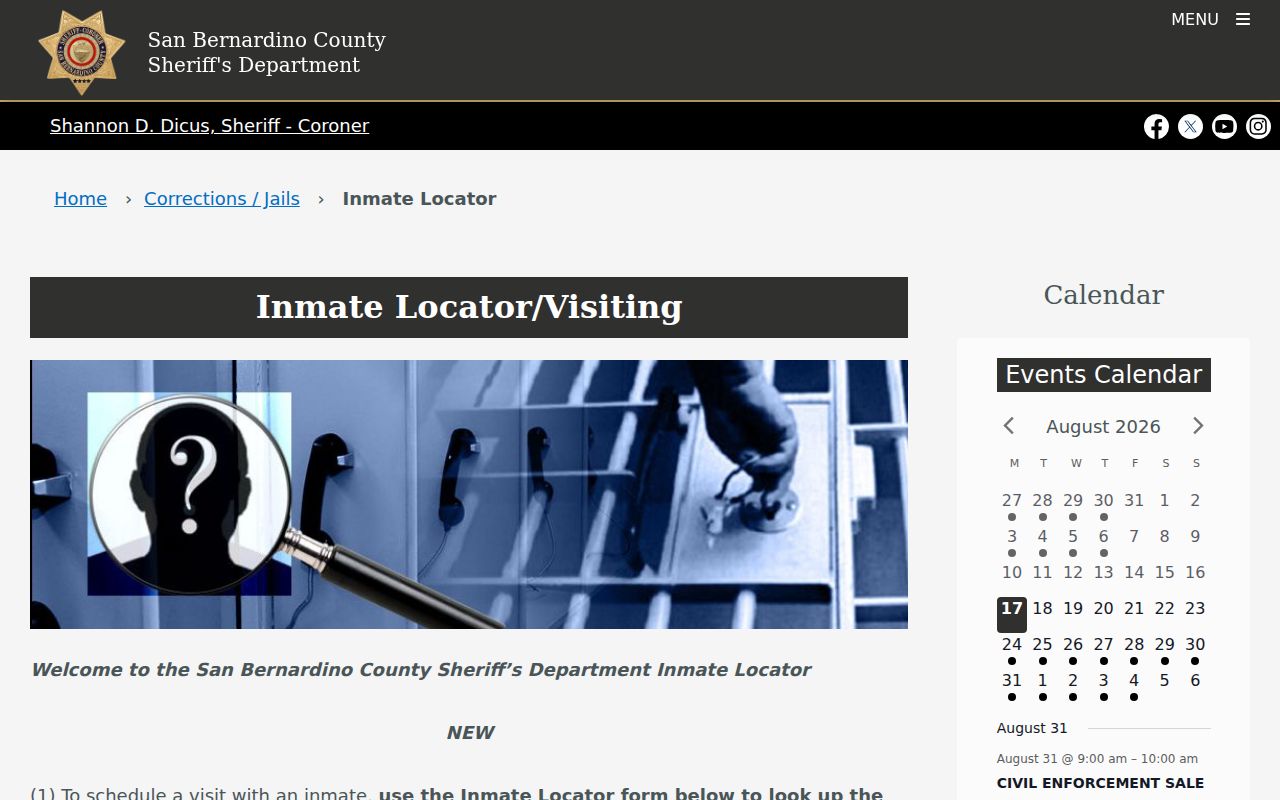
The custody screen shows a limited record type. A match should never be relabeled as proof of where someone lives.
Montclair Unclaimed Records Are Name Leads
California's State Controller unclaimed-property search can return an owner name and a reporting city tied to a dormant asset. That helps a genealogy or identity trail. It works best when a former address is known. Still, a match means only that property was reported. It does not prove a current Montclair residence. It does not prove land ownership. Nor does it connect two same-name people.
Search the name and review the reported location. Use the official claim process if the property is yours. Skip private finders charging fees for a free state source. Pair any result with a deed, court, vital, or city directory record whose date and role fit.
The California State Controller unclaimed-property search is the source route for this narrow lead.
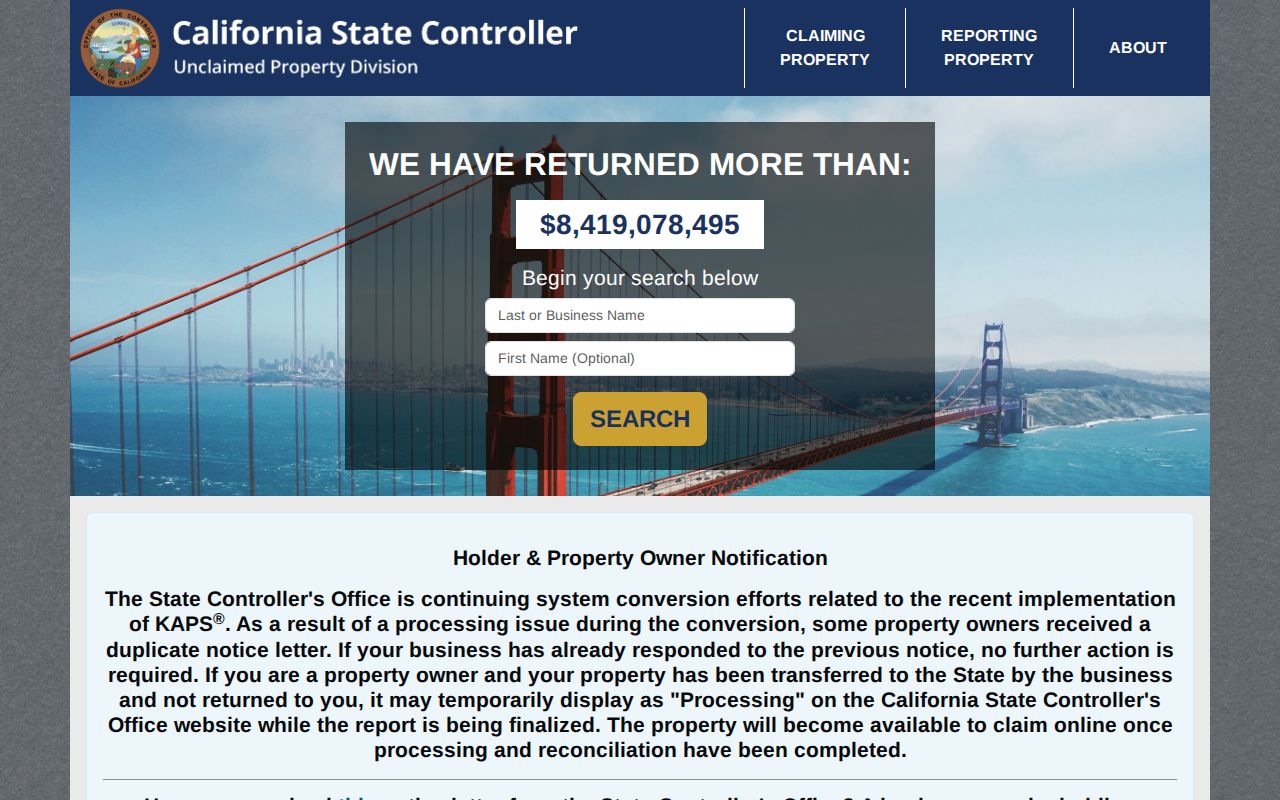
The unclaimed-property view is a reminder. A city association is not a residence finding, and the claim office, not a residents directory, decides what proof is needed.
Montclair Records for Heirs and Classmates
An heir search can begin with a death lead. Next comes a San Bernardino Superior Court probate case. From there, follow public petitions, orders, and recorded transfers. Private heir information may be redacted. A former classmate search runs on different rails: Montclair High or Chaffey Joint Union yearbooks, library catalogs, and official school or community channels. A yearbook shows association in one year. It is not present residence.
Adoption and birth-parent questions go through California Department of Social Services procedures, because original files are confidential. No public name index is promised. The best Montclair resident lookup names the record type, the custodian, and the access limit before it starts.
Privacy Boundaries for a Montclair Resident Lookup
California keeps some fields closed. The state does not turn every government-held record into an open name-and-address directory. Voter files sit under Elections Code §2194. DMV-derived address data is restricted by the federal Driver's Privacy Protection Act. Court remote access narrows for sensitive case types. Safe at Home gives qualifying participants a substitute mailing address, and Government Code §6208.1 restricts threatening public display of protected information.
A missing result may mean redaction. It may also mean a confidential category, another custodian, or a mismatch in the search fields. Send an identifiable CPRA request to the City or county office holding a nonexempt record. Do not ask for a resident dossier. Do not ask an agency to merge databases or answer a question outside its records.
Lawful personal use. A Montclair resident lookup can support family history, probate research, reconnecting, civic transparency, or checking a record about yourself. California Penal Code §646.9 and related law prohibit stalking, threats, and repeated harassment. Verify with the custodian and respect a protected-address result.